

When Should You Get a Sports Injury Assessed? 5 Warning Signs You Shouldn't Ignore
Whether you're running, lifting weights, playing sport or simply going about your day, injuries can happen when you least expect them. While some minor aches settle with rest and time, other injuries need professional assessment to help you understand what's happened and what to do next. So, when should you get a sports injury assessed?
At LMH Optimal Therapy, we believe knowing the warning signs can help you make informed decisions about your recovery and avoid leaving a potentially serious injury unchecked.

5 Signs Your Injury Needs Assessing
1. You Can't Put Weight on the Injured Area
If you cannot bear weight through your leg or foot, struggle to walk, or can't use the area normally after an injury, don't try to push through the pain. This can indicate a more significant injury, including a fracture or serious soft tissue damage.
What to do: Seek urgent medical assessment, particularly if you cannot take steps after an injury. Don't force movement or weight-bearing while waiting to be assessed.
2. Significant Swelling Develops
Some swelling can occur after an injury, but rapid, severe or increasing swelling deserves attention. Significant swelling may occur with ligament injuries, muscle tears, fractures or bleeding within the tissues.
What to do: Stop the activity and seek prompt medical advice if swelling is substantial, develops quickly or is accompanied by severe pain or restricted movement.
3. You Notice Extensive Bruising
Bruising can occur when small blood vessels are damaged following an impact or soft tissue injury. However, extensive bruising, particularly when it appears quickly or spreads around the injured area, may indicate a more significant injury.
What to do: Arrange an appropriate assessment, especially if bruising is accompanied by marked swelling, weakness or difficulty moving the affected area.
4. The Area Looks Deformed or Unusual
If a limb or joint looks out of place, has an unusual shape or appears visibly deformed after an injury, this could indicate a fracture or dislocation.
What to do: Seek emergency medical care. Don't attempt to straighten the area or put a joint back into place. Keep it as still as possible while waiting for help.
5. Pain or Symptoms Aren't Improving
Not every injury causes immediate, severe pain. Sometimes discomfort develops gradually or continues long after you expected it to settle.
Consider getting an injury assessed if you notice:
Pain that persists or keeps returning.
Symptoms that worsen rather than improve.
Ongoing swelling or stiffness.
Reduced strength, mobility or function.
Difficulty returning to your usual activities.
A consultation can help identify what may be contributing to your symptoms and whether further medical investigation or rehabilitation is appropriate.

Should You See a Sports Therapist or a Doctor?
Knowing where to start can be confusing, but the severity of your symptoms matters.
Your symptoms | Recommended next step |
Mild muscle discomfort without concerning symptoms | Monitor symptoms and modify activity |
Persistent pain, recurring strains or restricted movement | Consider a sports therapy consultation |
Significant swelling or worsening pain | Seek prompt medical assessment |
Inability to bear weight after an injury | Seek urgent medical assessment |
Visible deformity or suspected fracture or dislocation | Attend an emergency department |
Numbness, a cold or pale limb, or rapidly increasing severe pain | Seek emergency medical care |
If you're unsure how serious an injury is, seek medical advice rather than assuming it's safe to treat with massage or exercise.
How Can Sports Therapy Help?
Once serious injuries have been ruled out and it's appropriate to proceed, sports therapy can help you work towards recovery.
Depending on your injury and individual needs, this may include:
Assessing movement, strength and function.
Identifying factors that may be contributing to your symptoms.
Developing a personalised rehabilitation programme.
Rebuilding strength and mobility gradually.
Supporting a safe return to exercise and sport.
The aim is not simply to get you back to training as quickly as possible, but to help you return at an appropriate pace with a plan that supports your recovery.
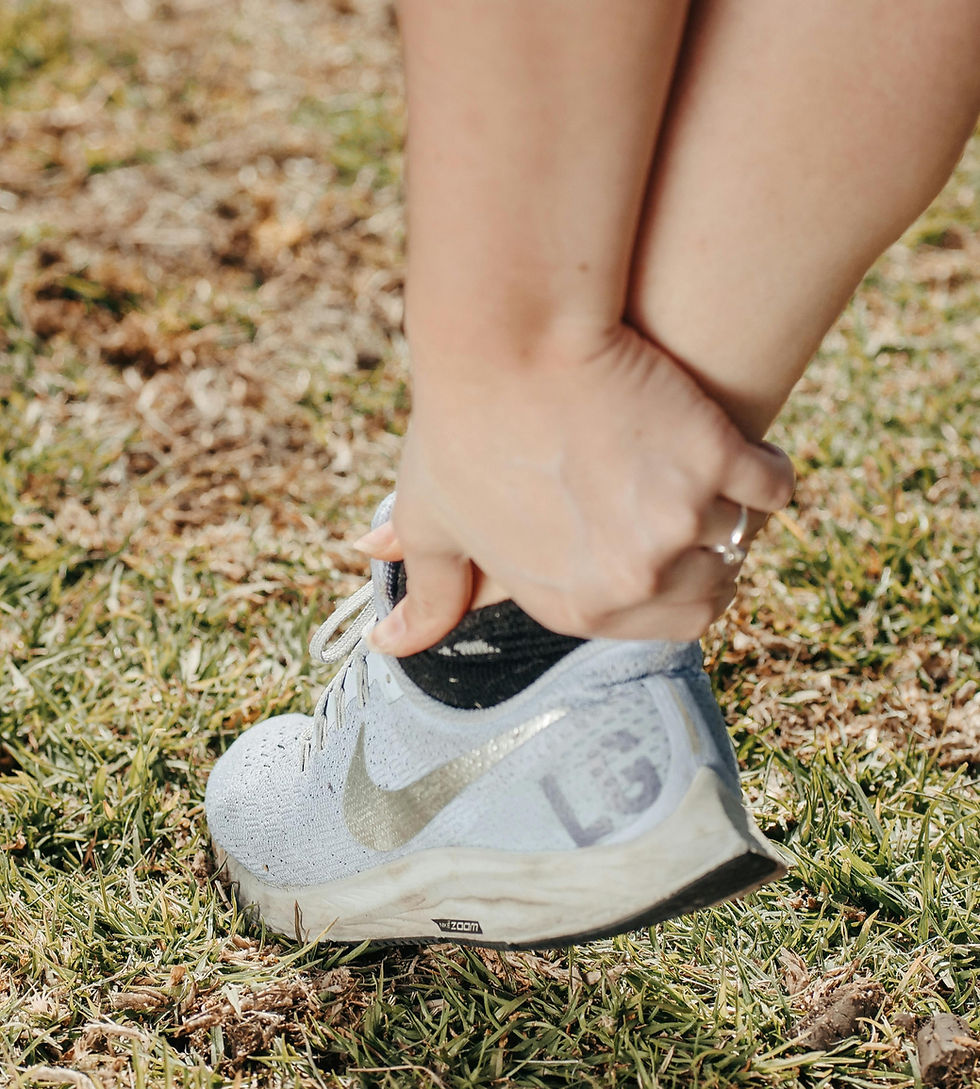
Don't Ignore the Warning Signs
It's tempting to carry on training, hope an injury settles or assume the discomfort will disappear on its own. However, recognising when you need professional help is an important part of looking after your body.
If you experience an inability to bear weight, significant swelling, visible deformity or other severe symptoms, seek appropriate medical assessment before booking sports therapy.
For persistent aches, recurring injuries or movement difficulties that are suitable for conservative care, the team at LMH Optimal Therapy can help you explore your next steps.
Listen to your body, take injuries seriously and give yourself the best opportunity to recover well.
Let's get you back to optimal performance.
📍 Based in Poole on the Nuffield Estate
📞 lmhoptimaltherapy.co.uk | 07861160799 | contact@lmhoptimaltherapy.co.uk


Comments